Skip to Content

Monthly Archives: September 2025

Air Freight vs Sea Freight What’s Better for Your Business in Saudi Arabia

Choosing between air freight and sea freight is one of the most important decisions businesses must make when moving goods internationally. In Saudi Arabia, where global trade is expanding rapidly and logistics infrastructure is world-class, the right mode of transport can impact everything from cost and delivery time to inventory planning and customer satisfaction.

At Express Arabia, we help clients make smart shipping decisions based on product type, urgency, volume, and destination. In this article, we break down the key differences between air and sea freight within the Saudi context and provide guidance on which method is better suited for your business needs.


Understanding the Basics

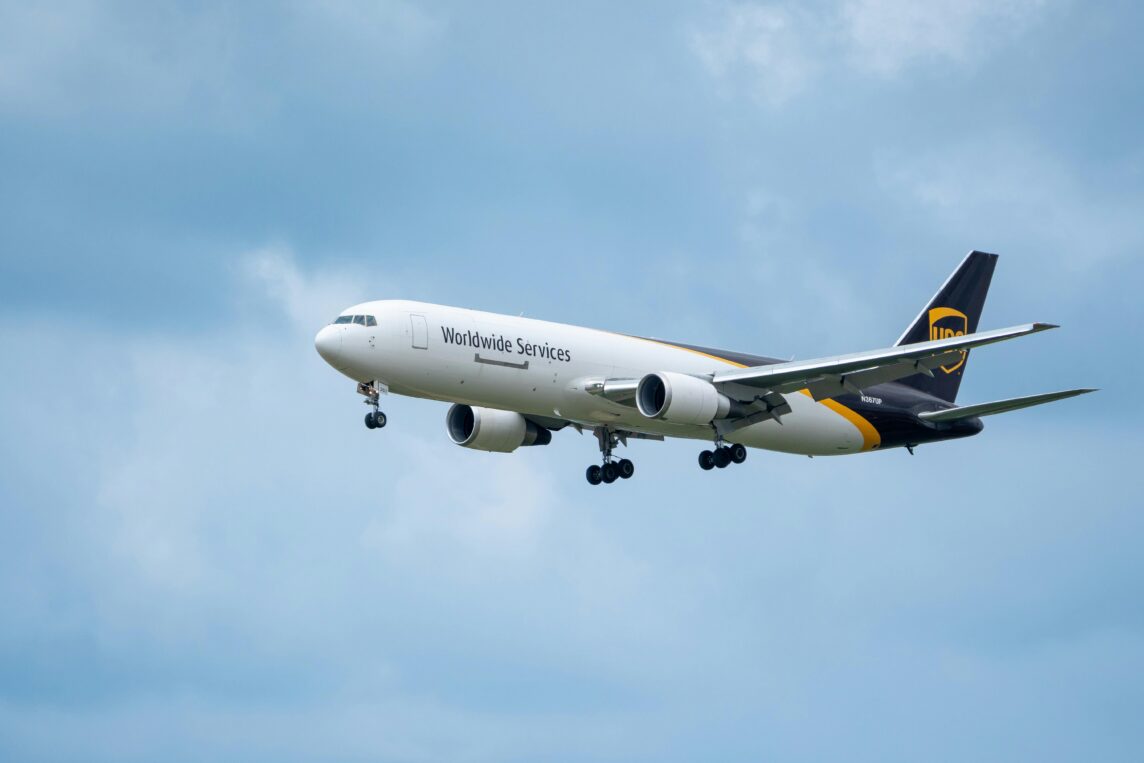
Air freight involves transporting goods via cargo aircraft. It is known for speed, reliability, and suitability for high-value or time-sensitive shipments.

Sea freight refers to shipping cargo in containers on vessels. It is cost-effective, especially for large or bulky shipments, but generally slower than air transport.

Both modes are widely used in Saudi Arabia, with air freight passing through key airports like King Khalid International Airport in Riyadh and King Abdulaziz International Airport in Jeddah, while sea freight moves through major ports such as Jeddah Islamic Port, King Abdullah Port, and Dammam’s King Abdulaziz Port.


Air vs. Sea Freight

Air Freight Sea Freight
Fastest delivery method Slower, especially for long routes
Higher cost per kilogram Lower cost for large volumes
Limited cargo space Ideal for bulk shipments
Higher carbon emissions More environmentally friendly
Faster clearance process May require longer documentation
Electronics, medical goods, urgent items Machinery, building materials, general goods


When to Choose Air Freight

Air freight is the right choice when your business needs speed, precision, and reduced inventory lead times.

Choose air freight if:

  • You are shipping urgent or time-sensitive goods.

  • The shipment is lightweight or high-value, like electronics, jewelry, or spare parts.

  • You need fast replenishment of stock or samples for clients.

  • The route involves landlocked destinations with limited port access.

Air freight is especially useful for sectors like pharmaceuticals, aerospace, fashion, and electronics, where timing and security are critical. At Express Arabia, we offer fast-lane air cargo services through our partners at major Saudi airports, with real-time tracking and customs coordination.


When to Choose Sea Freight

Sea freight is ideal for businesses looking to ship large volumes at lower costs. It is best suited for non-urgent shipments that can tolerate longer transit times.

Choose sea freight if:

  • You are moving bulk goods or oversized cargo.

  • Cost efficiency is a bigger priority than speed.

  • The shipment includes heavy machinery, furniture, raw materials, or construction goods.

  • You are shipping on a regular schedule and can plan inventory accordingly.

Saudi Arabia’s seaports are among the busiest in the region and offer excellent connectivity to Asia, Europe, and Africa. Express Arabia provides full container load and less than container load services, along with port handling and inland delivery across the Kingdom.


Hybrid Shipping Models

Sometimes, the best choice is a combination of both air and sea freight. This model offers a balance between cost and delivery speed.

For example:

  • Urgent items can be shipped by air, while the rest of the cargo follows by sea.

  • Products can be split by region, with air freight used for quick delivery to central markets and sea freight for other locations.

At Express Arabia, we offer customized freight planning where we analyze your cargo type, cost goals, and delivery timelines to design an optimized shipping solution.


Key Considerations for Saudi Businesses

When deciding between air and sea freight, businesses in Saudi Arabia should consider:

  • Customs clearance time and documentation requirements.

  • SABER registration and conformity certificates for regulated products.

  • Availability of inland transport from ports and airports to final destinations.

  • Frequency of shipments and supply chain continuity.

With the right freight forwarding partner, these variables become easier to manage. Express Arabia supports clients with end-to-end services, including route planning, compliance support, customs brokerage, and last-mile delivery.


Conclusion

There is no one-size-fits-all answer when it comes to choosing between air and sea freight. It depends on your product type, delivery timeline, budget, and operational flexibility.

If speed is your priority and cost is manageable, air freight is the better choice. If you are moving large volumes and can wait for delivery, sea freight offers better value. At Express Arabia, we guide businesses through every step of their shipping journey and help them make informed decisions that support growth and efficiency. Whether you need express air cargo or economical ocean freight, we are here to ensure your cargo reaches its destination smoothly and on time.


0 0 Continue Reading →

Understanding the SABER System: A Step-by-Step Guide for Importers in Saudi Arabia

In today’s fast-paced trade environment, compliance is just as important as speed. For businesses importing goods into Saudi Arabia, understanding and properly using the SABER platform is essential to avoid clearance delays, penalties, or even rejected shipments.

At Express Arabia, we’ve guided countless importers through the SABER system and helped them get their products into the Kingdom efficiently and fully compliant. In this blog, we break down what SABER is, how it works, and how you can use it correctly, step by step.


What Is the SABER System?

SABER is an online platform launched by SASO (Saudi Standards, Metrology and Quality Organization) to ensure that products entering Saudi Arabia comply with local safety and quality standards.

It’s part of the Kingdom’s Product Safety Program, SALEEM, and applies to a wide range of goods, from electronics and machinery to children’s toys and building materials.

Through SABER, importers must obtain two key certificates:

  • Product Certificate of Conformity (PCoC) – Confirms that a product complies with Saudi standards.
  • Shipment Certificate of Conformity (SCoC) – Confirms that the specific shipment being imported matches the certified product and complies with requirements.

Without these certificates, goods cannot clear customs in Saudi Arabia.


Who Needs to Use SABER?

Any business that is:

  • Importing regulated products into Saudi Arabia (including industrial equipment, consumer goods, and electronics).
  • Registering a new product or brand for sale in the Saudi market.
  • Shipping goods from another country into the Kingdom.

If you’re unsure whether your product is regulated, Express Arabia can help check and advise on the certification process.


Step-by-Step: How to Use SABER as an Importer


Step 1: Register Your Company on the SABER Platform

To begin, importers must create an account on the SABER system at saber.sa.

  • The account must be registered under a Saudi commercial registration (CR).

  • You’ll need to provide your CR number, company details, contact person, and email address.


Step 2: Classify Your Products

This is done by identifying the HS Code of your product. Regulated products must meet specific technical regulations issued by SASO. You’ll need to determine whether your products are classified as:

  • Regulated Products (require conformity certification)

  • Unregulated Products (require only basic documentation)


Step 3: Apply for the Product Certificate of Conformity (PCoC)

For each regulated product, you must obtain a PCoC, which certifies that the product complies with applicable Saudi standards.

Here’s how it works:

  • Submit product details, photos, technical specifications, and test reports through SABER.

  • Choose a notified certification body (e.g., Intertek, TUV, SGS) to review your submission.

  • The certification body will assess conformity and issue the PCoC if approved.


Step 4: Apply for the Shipment Certificate of Conformity (SCoC)

Once the PCoC is in place, you must apply for an SCoC every time you import a shipment of that product.

  • Provide the commercial invoice and shipping documents.

  • Confirm that the shipment matches the registered product.

  • The same certification body will validate and issue the SCoC.


Step 5: Customs Clearance

With the PCoC and SCoC in hand, your goods are eligible for clearance by Saudi Customs.

  • The documents are automatically linked in the SABER system for verification.

  • Customs officers will use the SABER platform to confirm conformity before releasing the shipment.


Express Arabia coordinates with customs officials at all major ports to ensure quick clearance and smooth documentation flow.


Common Challenges with SABER, and How Express Arabia Solves Them

Even with a well-designed platform, SABER can be confusing or time-consuming for first-time importers. Some common issues include:

Challenge How Express Arabia Helps
Incorrect HS code classification We verify and match products to the correct customs codes
Incomplete technical documentation Our team assists with document preparation and technical specs uploads
Delayed approval from certification body We have relationships with SASO-approved bodies to speed up approvals
Platform errors or submission rejections Our experts manage SABER end-to-end, reducing risk of human error

Why SABER Compliance Matters More Than Ever

Saudi Arabia is tightening its import regulations to align with international safety and quality standards. Non-compliance can lead to:

  • Shipments being rejected or destroyed

  • Costly port demurrage fees

  • Legal fines or product recalls

  • Business delays and reputation damage

By working with Express Arabia, businesses ensure their compliance with confidence, avoiding costly mistakes while speeding up delivery timelines.


How Express Arabia Supports SABER Certification

Our SABER-related services include:

  • Product evaluation and classification

  • Document preparation and review

  • Submission to certification bodies

  • Coordination with Saudi Customs

  • Real-time progress tracking via your client dashboard

We act as a bridge between your supply chain and the Kingdom’s regulatory system, making compliance simple and hassle-free.


Conclusion

SABER may seem like just another formality, but it’s a critical part of successful importing into Saudi Arabia. By understanding the system and using it correctly, businesses can speed up customs clearance, avoid delays, and maintain smooth supply chain operations.

At Express Arabia, we specialize in SABER compliance and offer complete support for importers navigating this complex but essential process. Whether you’re registering a single product or managing hundreds of SKUs, our logistics experts are here to help you succeed.

0 1 Continue Reading →
×